I wish I remembered more about my Uncle Joe. He passed away around 1967, and his was the first funeral I ever attended. I wasn’t especially close to him, but I remember being curious—maybe even fascinated—by everything that surrounded that strange, solemn event. In those days, funerals lasted longer than they do now. Two full days and nights of visitation, with friends and family filing in and out, offering hugs, prayers, and casseroles.
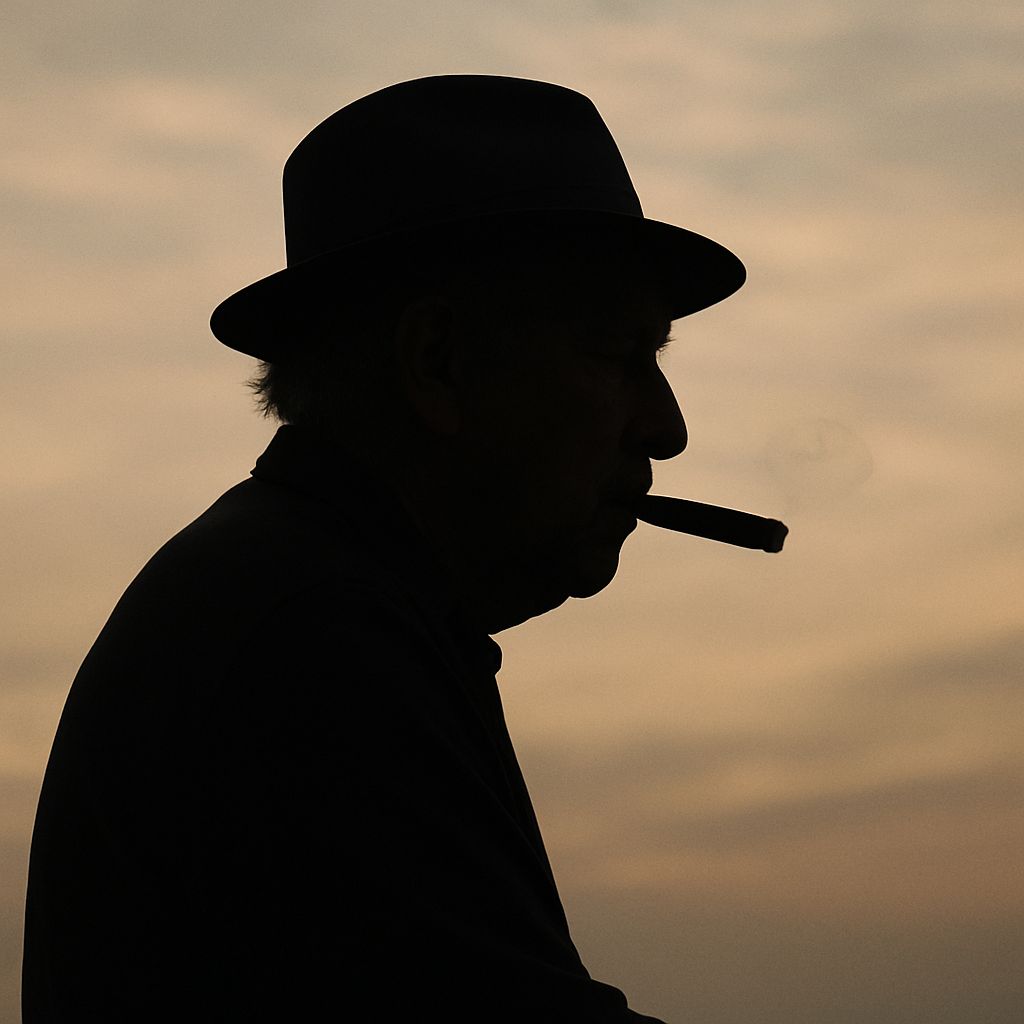
Uncle Joe was always a quiet man. I can still picture him walking down the street toward my grandmother’s house, his gait more of a shuffle than a stride, a cigar always tucked in the corner of his mouth. He never married, as far as I know. He lived simply, spoke softly, and never seemed in a hurry. Every so often he’d stop to talk to us kids—nothing long, just a word or two, enough to make us feel noticed.
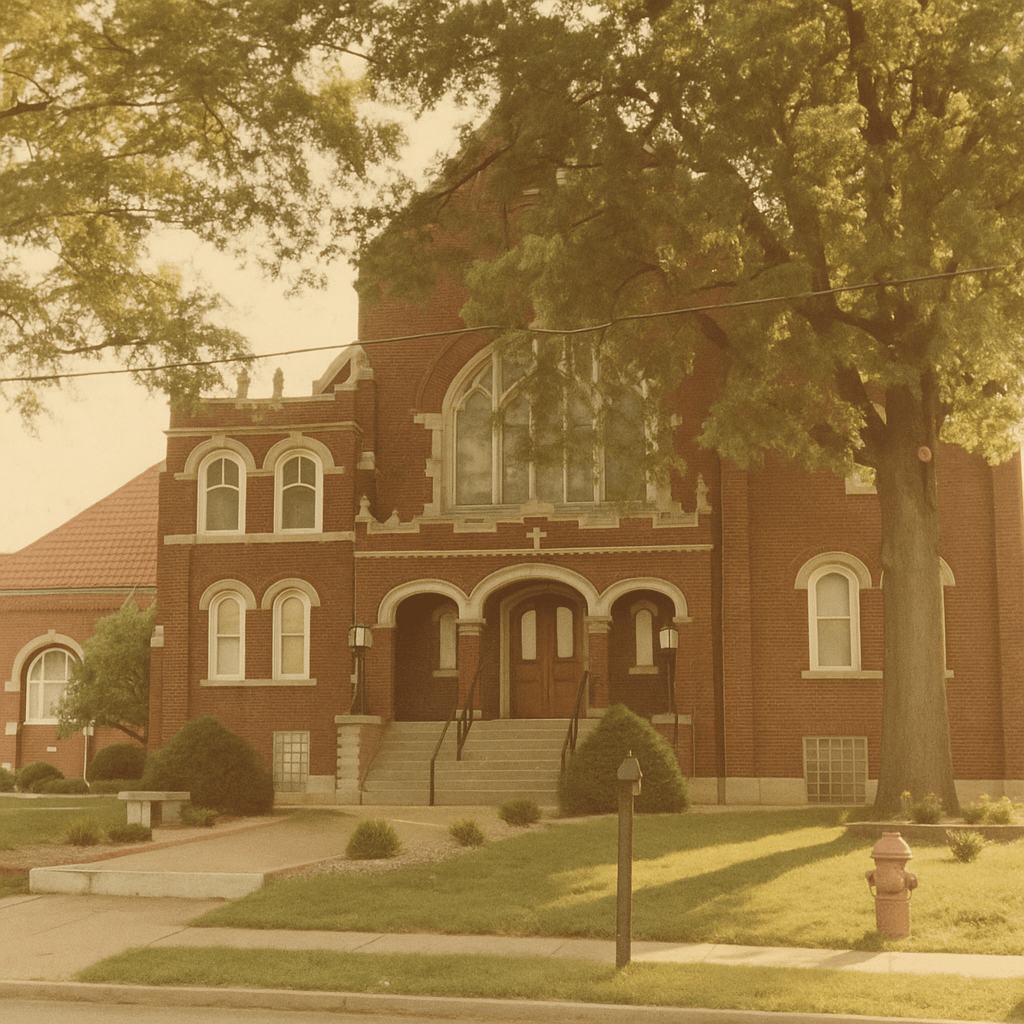
At the funeral home, I remember standing close to my mother, trying to take everything in—the soft murmurs of adults, the scent of flowers so strong it nearly made me dizzy, and the quiet organ music floating through the air. I walked up to the casket and looked at him lying there, so still and peaceful, as if asleep. I didn’t understand death yet. I only knew that he looked the same as he always had, and that felt impossible.
I remember tugging at my mother’s sleeve and whispering that I saw him move. I was so sure of it. She gently told me I was mistaken, that it was only my imagination. But for years I held onto that memory—certain I’d seen life where there was none.
Looking back now, I realize that moment was my first encounter with the mystery of loss—the idea that someone could be here one day and gone the next, yet somehow still present in the folds of memory. I can still see Uncle Joe’s slow walk, still smell the faint trace of cigar smoke as he passed by on his way to Grandma’s house.
Maybe that’s how memory works—it lets us keep the quiet ones close, even long after their footsteps fade.



 Welcome!