Aunt Elaine and Uncle Dale

My Aunt Elaine and Uncle Dale were a special part of my childhood. Elaine was my mom’s sister, and since my dad didn’t have any brothers or sisters, they were the only aunt and uncle I had. They lived out of town and never had kids of their own, which gave them a kind of independence that felt unusual to me. Holidays were when they usually came around, and their visits always carried a certain shine.

In the summers of 1973 and 1974, while my parents took trips to the Caribbean and The Virgin Islands, my sister and I stayed with Elaine and Dale. To us, it felt like being handed over to another world. They liked nice things, especially nice restaurants and they were always members of a country club. One evening they took us to a restaurant called Vargo’s in Houston, a restaurant so fancy there weren’t even menus. The waiter simply recited the night’s offerings. I remember trying to keep up, afraid I’d forget the choices before he finished. For a boy from Saint Louis, it felt like stepping into another life.

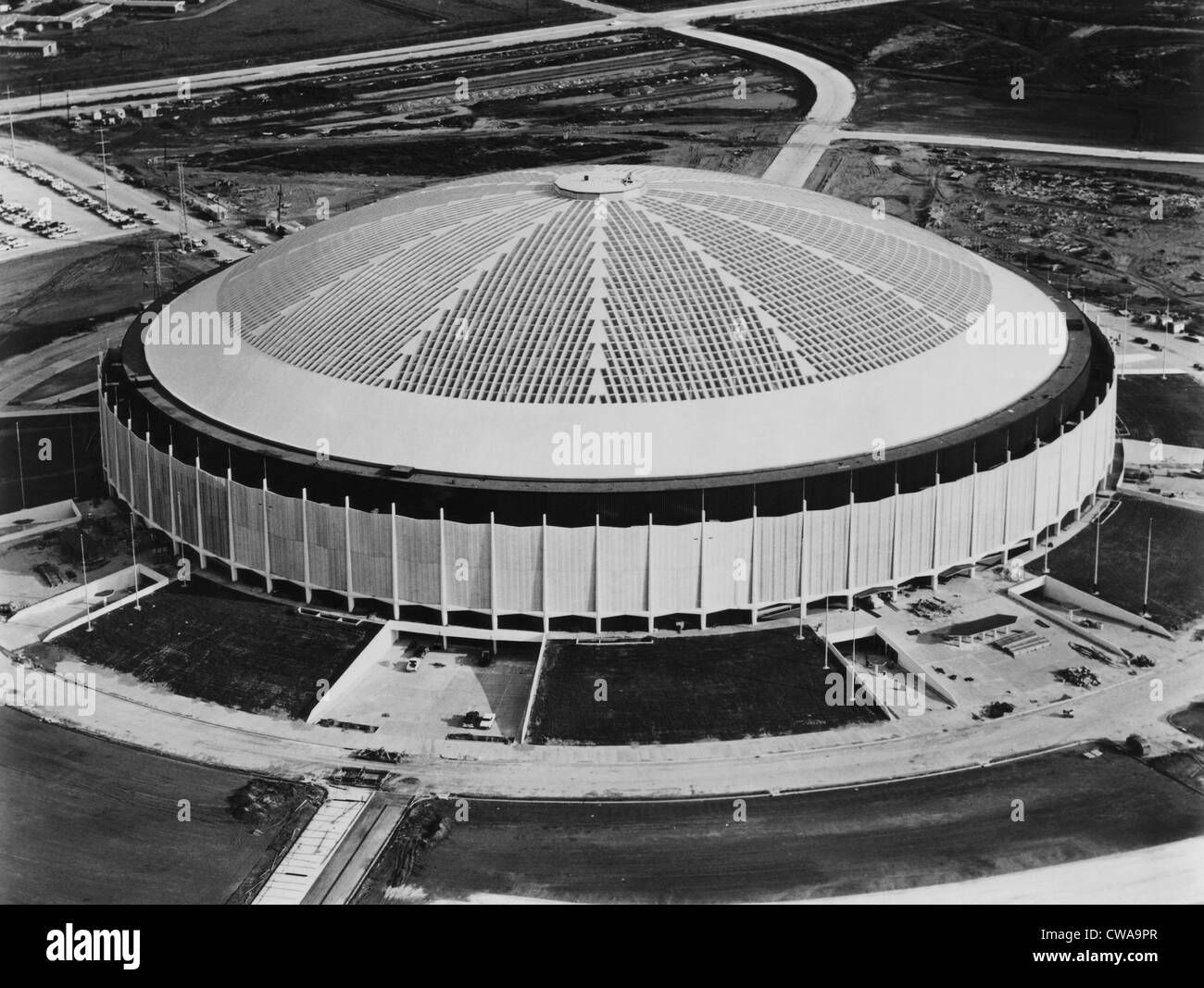
But it wasn’t all dinners and formality. They made sure we saw what Houston had to offer. A day at the beach in Galveston, where the waves pulled at my feet and I could taste the salt on my lips. A whirlwind afternoon at Astroworld, running from rides until we could hardly catch our breath. A ballgame at the Astrodome, that unique stadium that seemed larger than anything I’d ever known.

Elaine and Dale treated us wonderfully, as if we were their own children. And yet, I felt the absence of my parents. By the end of the week, I was ready for them to come home. When they finally did, I realized how much I’d missed them. That time with Elaine and Dale gave me memories I still treasure, but it also deepened my appreciation for the simple comfort of home. No matter how dazzling Houston felt, nothing compared to being back on Limerick Drive, where the world was smaller and where I belonged (at least for the moment). And looking back now, I see that Elaine and Dale, in their own way, helped shape that understanding—
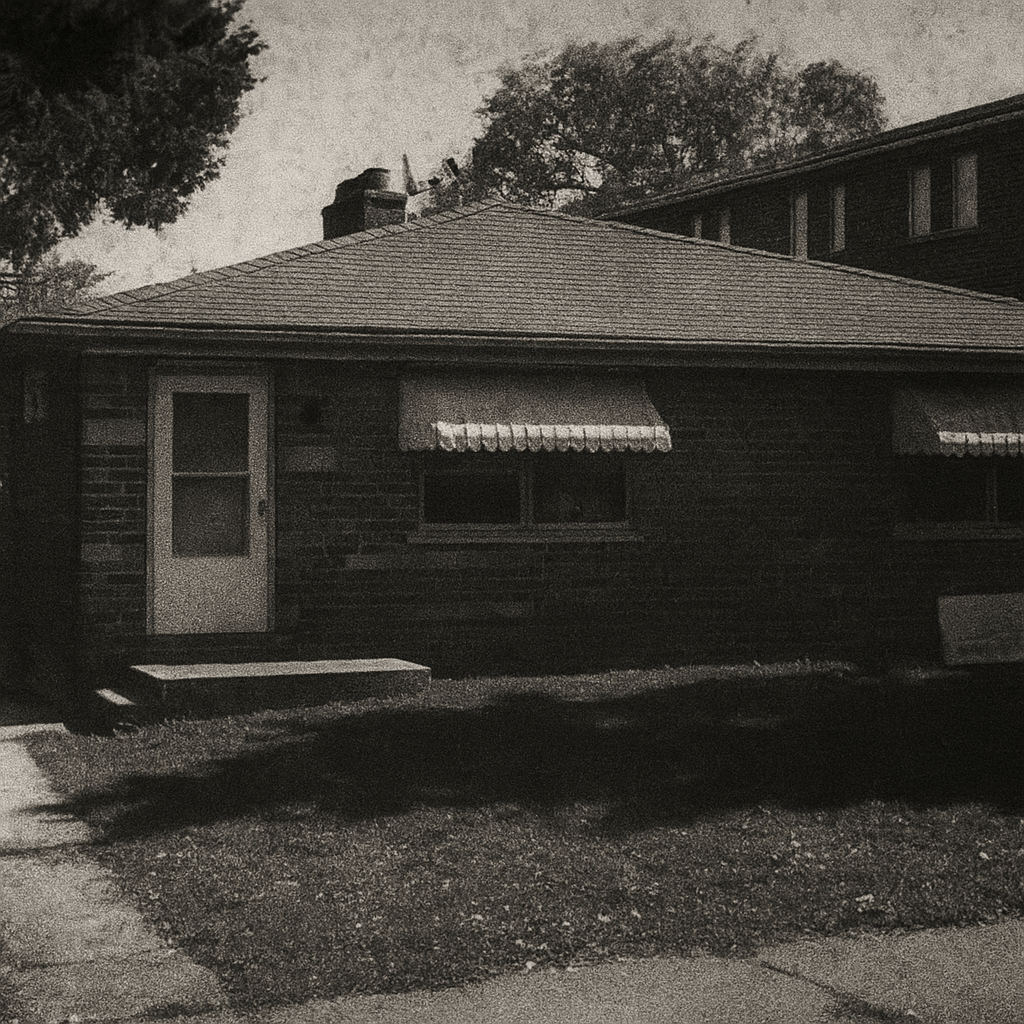
That Sunday in August 1973

Lately I’ve been revisiting the memories from my childhood that shaped me—the moments that seemed ordinary at first but ended up changing the course of my life. Some are joyful, some painful, but all of them are pieces of who I became. This is one of those memories.

It started like any other  day in August 1973. The weather was warm, and with the beginning of school still two weeks away, it still felt very much like summer. Back then, classes never started before the first Monday after Labor Day.

My mom and sister were off at a shower for a family friend, so it was just Dad, me, and our dog, Pals. Dad decided we’d go visit Grandma Lubker. I was excited that Pals got to ride along—he didn’t always get to tag along on family visits.

Grandma lived in a four-family duplex on Morganford in South City. The building sat plain against the street, with just one tree, a bush, and a small front porch. Dad, Pals, and I climbed the steps and knocked on her door. No answer. Dad’s face shifted immediately—he knew something wasn’t right. He knocked again. Still silence.

Then came the scramble for his key.

At twelve years old, I wasn’t prepared for what we found when we walked inside. Grandma was lying on the couch under a blanket. She was alive but unconscious. The room was undisturbed, almost peaceful. Pals jumped up beside her, confused, and gently licked her face. She didn’t move. That was when I knew something was very wrong. Grandma never liked dogs—she would never have let him lick her without protest.

Dad was in full panic mode. This was long before 911 or cell phones. He tried calling for an ambulance, but back then you had to contact the ambulance company directly, and at first no one was available. He even tried lifting her himself, but she was too heavy for him to manage alone. Finally, one of the ambulance companies arrived and transported her to the hospital.

Without a cell phone, Dad struggled to track down my mom. Using the White Pages, he eventually found the house where the shower was being held. She and my sister rushed to join us at the hospital.

Grandma never regained consciousness. Three days later, 52 years ago today, she was gone. She was only 71 years old.

For many years I believed she had died of a heart attack. Only later did my mom tell me the truth: depression had overcome her, and she had taken her own life. At first, I hesitated to share that part of the story. But depression is real, and back then we didn’t understand it the way we do today. Maybe things would have been different if she’d had the support and resources people have now.

That summer taught me something I didn’t want to learn so young—that growing up also means losing people you love. First Uncle Ollie. Then Grandma Lubker. And with each loss, the world felt a little less safe, a little less certain.

Looking back now, I share this not only to honor my grandma, but to acknowledge the reality of depression. If talking about it helps even one person feel less alone, then her story continues in a way she never got to live out herself.

Christmas Past

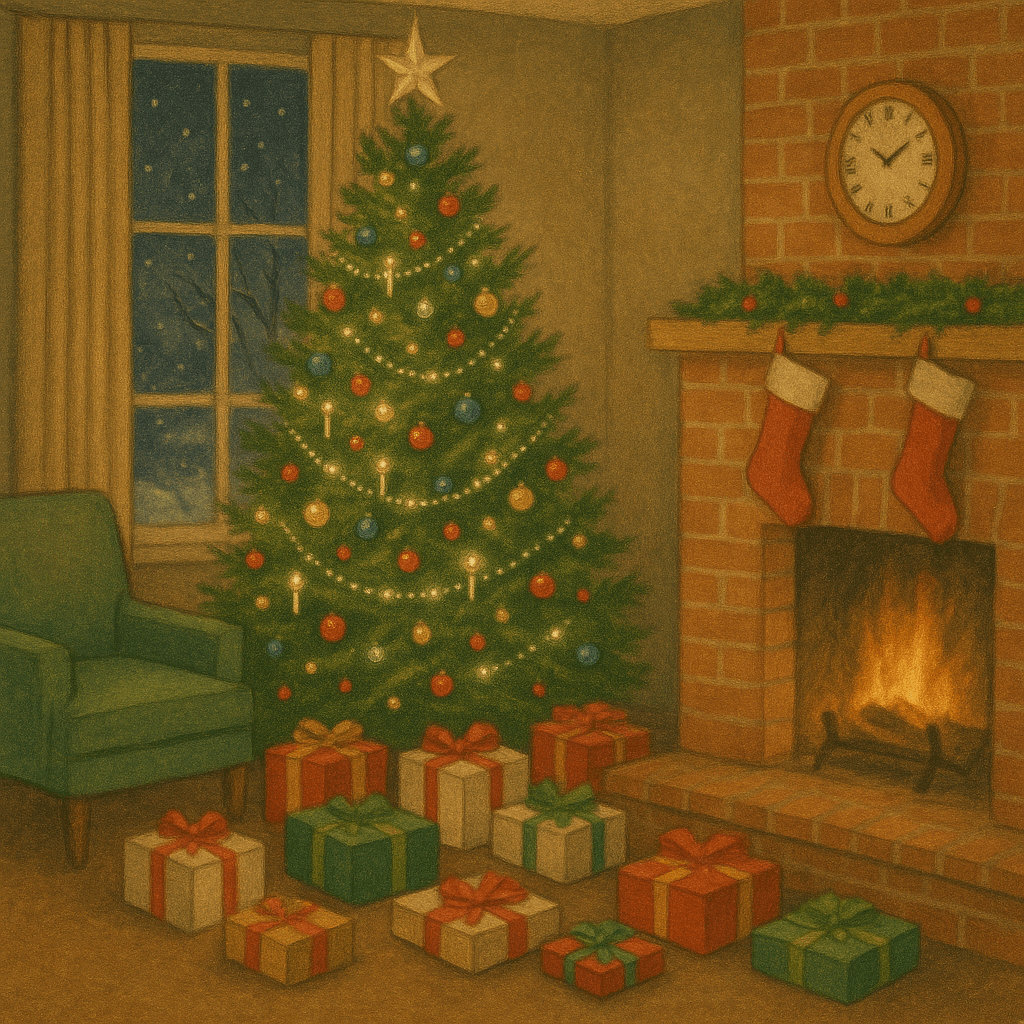
I suppose every family has their own unique Christmas traditions—and growing up, ours was no different. Anchored in love, food, and the magic of Santa, those holidays shaped some of my warmest childhood memories.

Christmas Eve in our house always meant two things: ham and mostaccioli. It wasn’t fancy, but it was ours. Then on Christmas Day, the star of the show was turkey with stuffing. If my mom had a culinary specialty, it was this—especially the stuffing, made entirely from scratch. There was no such thing as Stovetop in our house. Her stuffing was hearty and comforting, and somehow, it always tasted like home.

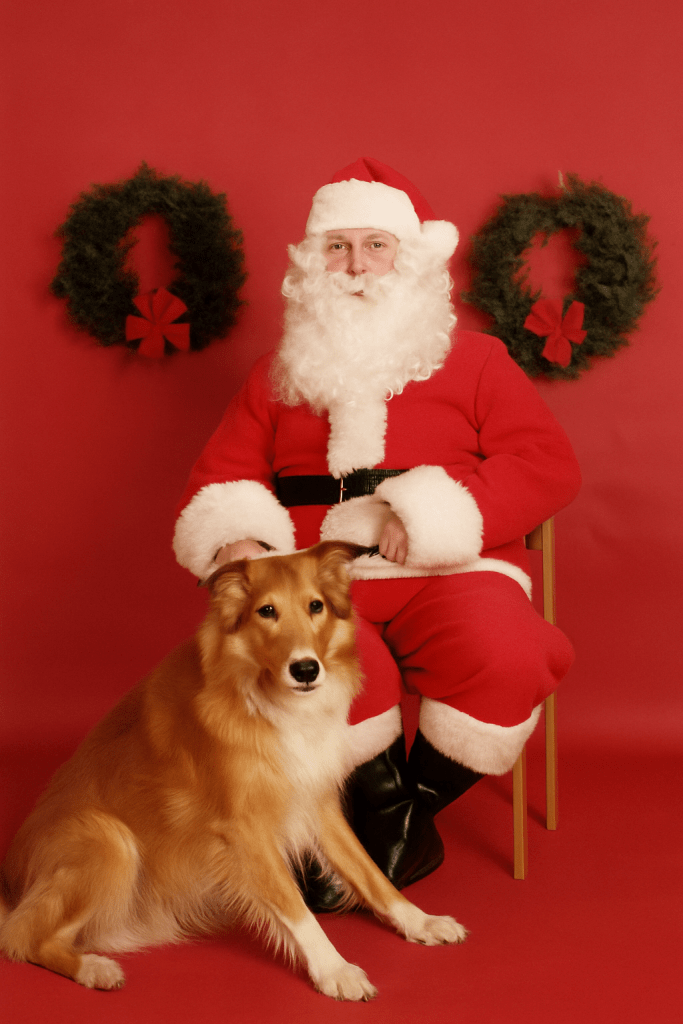
Santa, in our world, came on Christmas Eve—but he was sneaky about it. Every year, my dad, my sister, and I would pile into the car and head into the city to pick up both of my grandmothers. Neither of them ever drove, so it was a family tradition to bring them to our house for the holidays. And wouldn’t you know it? Every year, like clockwork, Santa would visit while we were gone.

We’d walk into the house, and there was my mom, smiling warmly and full of stories about how we had just missed him. The living room was filled with presents under the tree, and now, looking back, I realize that the real magic wasn’t in the gifts—it was in her face. There was joy there. Pure joy in creating something special for her children. Watching us open our presents was her gift.

The rest of Christmas Eve and Christmas Day were spent enjoying our new toys and indulging in delicious meals. The house was full of family, laughter, and the kind of closeness that you don’t fully appreciate until years later. Some years were extra special when my mom’s sister, Aunt Elaine, and her husband, Uncle Dale, joined us. They didn’t have children of their own, so spending the holiday with us meant the world to them—and it meant the world to us, too.

When I think back on those Christmases now, I don’t just remember the food or the presents. I remember the unspoken love that filled the room. And I am deeply grateful to have had those times.

Weekend Adventures with My Grandmothers

Growing up, whenever my parents had weekend plans, my sister and I would each go stay with one of our grandmothers—kind of on a rotating schedule. One month I’d head to Grandma Wollberg’s, the next it was Grandma Lubker’s turn. These visits felt like little adventures, and we always looked forward to them.

Just as our grandmothers were very different from each other, so were the experiences we had with them.

Grandma Wollberg lived in South St. Louis, near Carondelet Park, at Grand and Dover. One of my favorite parts of staying with her was our evening walk up Grand Avenue to Velvet Freeze. I can still taste the ice cream—cold, creamy, and absolutely perfect. Funny, we never thought twice about that walk. I was probably seven or eight, and Grandma was in her mid-sixties (which, come to think of it, is about my age now). Today, I’m not sure I’d feel so comfortable letting a child and an older woman take that walk alone. But back then? It was just part of the magic.

She also made the best fried chicken I’ve ever had—cooked from scratch in her electric skillet. Colonel Sanders didn’t stand a chance. And if Wrestling at the Chase was on TV? Well, that sealed the deal. Harley Race and the gang were practically family. You wouldn’t guess it by looking at her, but Grandma was a big fan. She even went to live matches now and then with her friends and neighbors, Betty and Wayne.

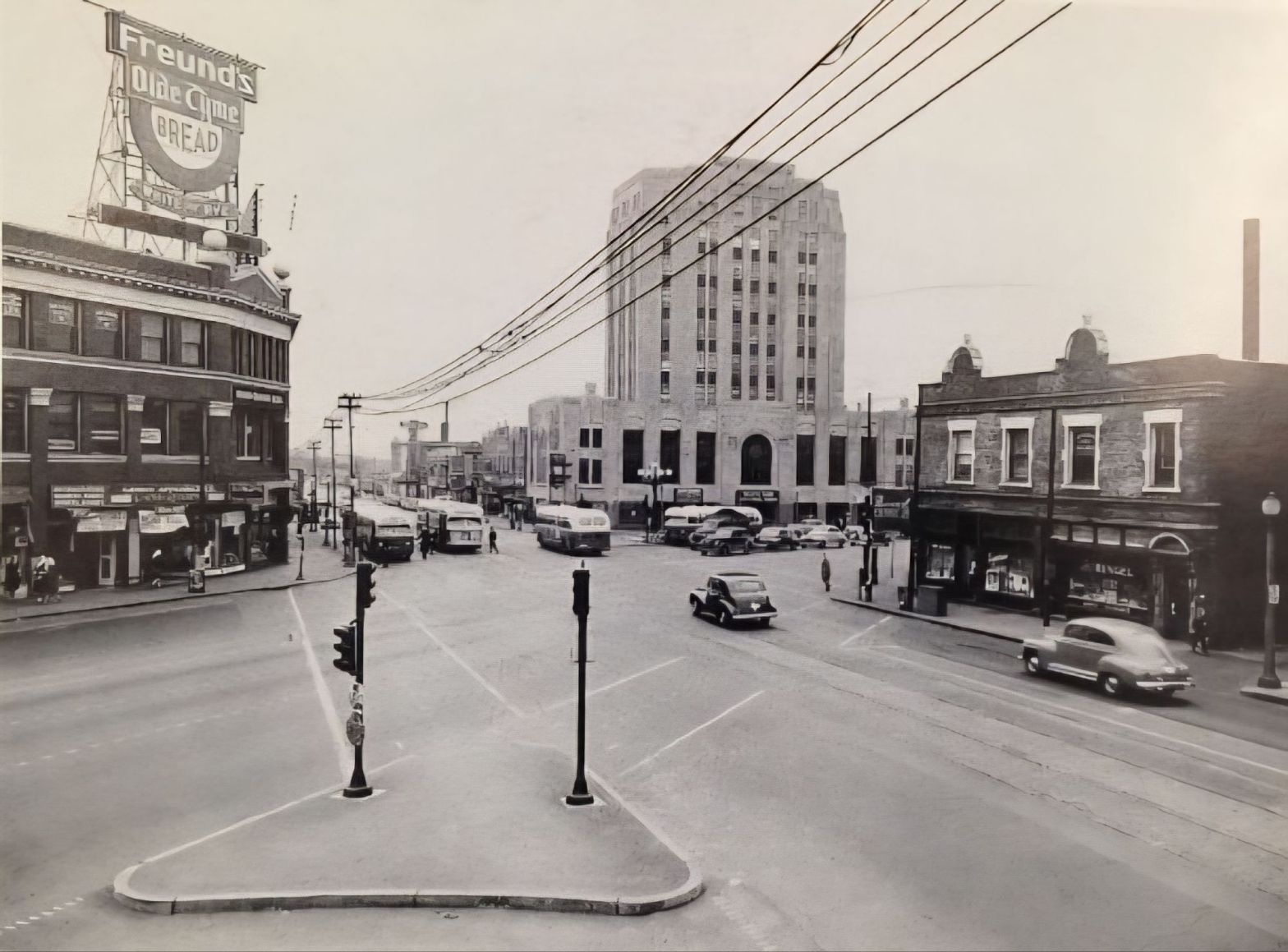
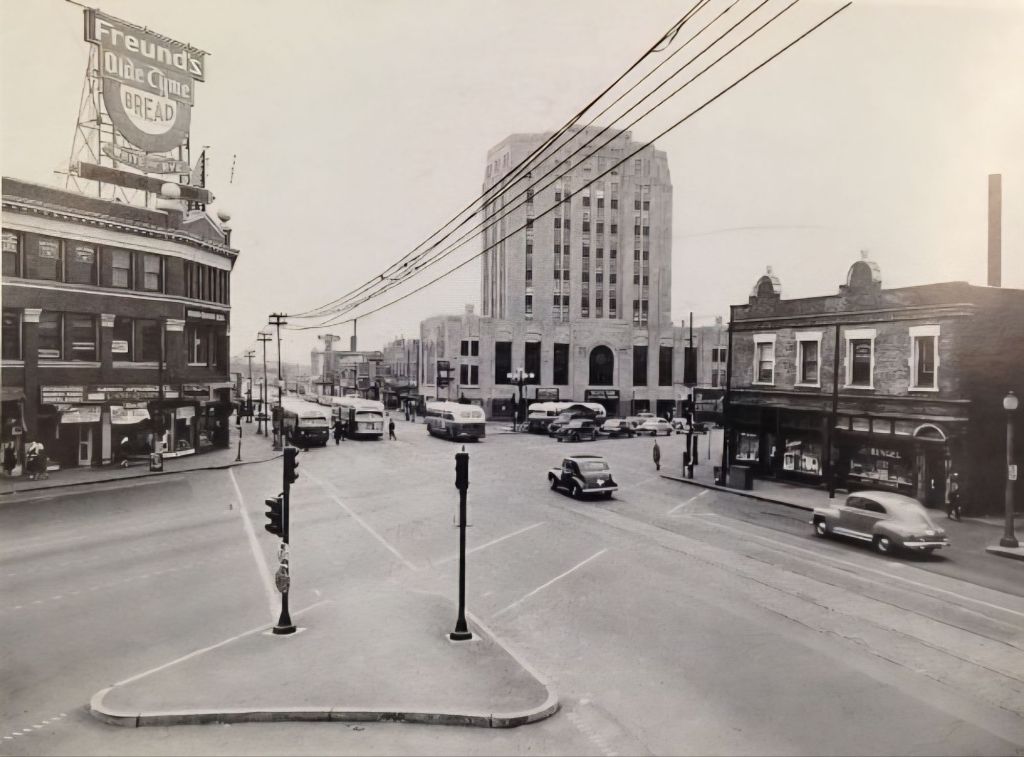
Visiting Grandma Lubker was a completely different kind of fun. She lived near the Southtown Famous-Barr, on Morganford near Beck. We’d often walk down to the department store and use the underground pedestrian tunnel to cross the busy street—a detail anyone from that area or era might fondly remember. There was a Steak ‘n Shake on the corner back then, and a visit to Grandma Lubker’s always meant a steakburger treat.

She wasn’t into wrestling, but we got to stay up late and watch The Tonight Show with Johnny Carson. We’d fall asleep on the couch with the TV still on, and sometimes wake up to the high-pitched test signal after the station had gone off the air for the night.

These weekends were simple, but they were filled with love, laughter, and comfort—precious time shared across generations. I know they brought joy to our grandmothers, just as they did to us.

I often wish I could go back for just one more visit. One more walk to Velvet Freeze. One more steakburger. One more night on the couch with Johnny Carson. But mostly, one more evening with Grandma.

Dad

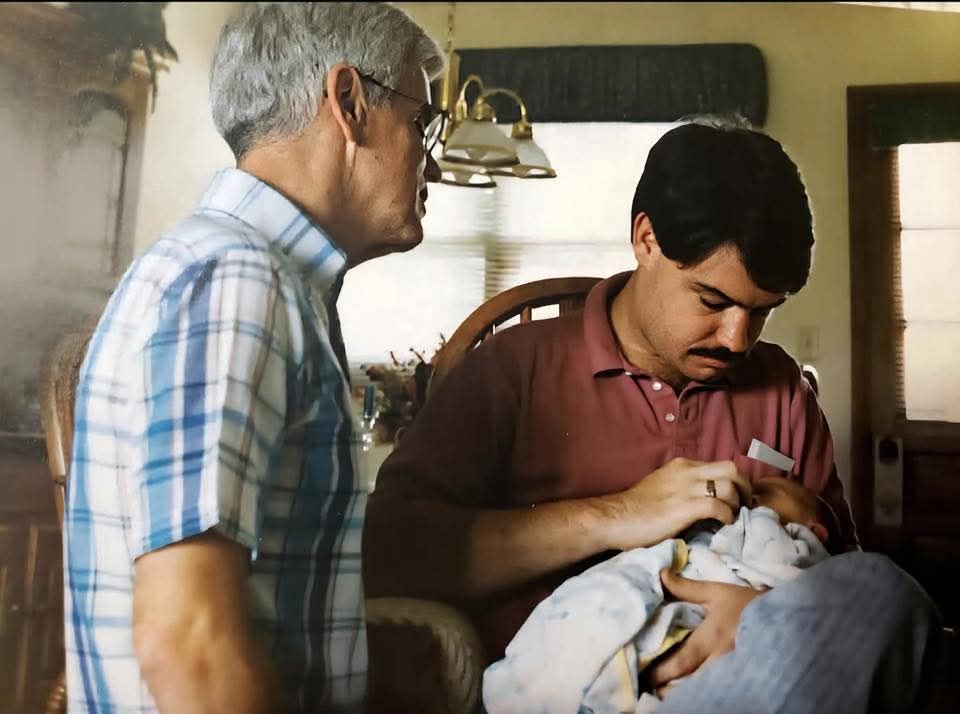
My dad would be 87 today. It’s hard to even imagine that number attached to him. He died so young—and truthfully, dementia stole him long before he physically left.

I was well into adulthood before I truly began to understand and appreciate the man he was. By the time I finally got it, he was already gone.

He lived through a lot. His own father died of lung cancer when my dad was just 22—a casualty of too many years spent smoking unfiltered Camels. I have no doubt that loss left a permanent mark. The man I knew was shaped by that grief.

At times, he could be gruff, quick-tempered (a trait I seem to have inherited). But beneath that exterior was someone who cared deeply—for his family, his friends, and for doing what was right. He saw injustice even when others looked the other way. He stood up for the underdog, even when it wasn’t easy—or popular.

There’s a lyric from Dan Fogelberg’s Leader of the Band that always hits me hard:

He earned his love through discipline,

A thundering, velvet hand.

His gentle means of sculpting souls

Took me years to understand.

That’s it exactly. It took me years to understand.

Now, all this time later—he’s been gone since 2001—I find myself longing for one more conversation. One more chance to tell him what he meant to me. But life doesn’t give us those moments back.

As my own life winds down and I reflect on the road I’ve traveled, I find myself appreciating him more than ever. The man he was. The lessons he left behind. The quiet strength he carried.

Rest in peace, Dad. I get it now.

Dedicated to all the dads who did their best, even when we didn’t yet understand them. And to the sons and daughters who come to appreciate them in time.

Pals

Like most kids, my sister and I always wanted a dog. Not a hamster, not a fish, not a turtle—an honest-to-goodness dog. My mom tried other things to fill that gap, but none of them really stuck. The yearning lingered.

After we moved into our new house on Limerick Drive, fate tossed us a bone. A scruffy stray started showing up around our yard. We named him Trouble—probably because he looked like the kind of mutt who had been in and out of a few. He was wiry, a little rough around the edges, but to us, he was perfect. He was our dog. For a couple of magical weeks, we played, fed him scraps, and gave him all the love two kids could muster.

And then his real owner showed up.

I don’t remember how he found us—maybe a phone call, maybe he just saw the dog—but he pulled up in an old pickup truck. He was an older man, and the moment he and Trouble locked eyes, we all knew. Trouble wasn’t ours after all. He was his. It was a bittersweet goodbye. As the truck pulled away, it felt like something had been taken from us. That dog had filled a void we hadn’t even realized was so deep.

The void didn’t stay empty for long.

After relentless lobbying from my sister and me, my mom finally caved—not completely, but just enough to say, “Let’s go to the Humane Society. Just to look.”

“Just to look” lasted about five minutes.

It was like walking into Christmas morning. Kennels lined the walls, filled with wagging tails, hopeful eyes, and ears that perked up every time someone walked by. But our attention didn’t wander long. We found him—a tiny brown puppy who looked like he might have a lot of Collie in him. He was scared. Quiet. But there was something about him that drew us in. As soon as we knelt down, he warmed to us. That was it. He was going home with us.

We decided to name him Tiny Tim.

That night, my dad got home late. He worked in the car business, and back then, drinks after work were more common than not. When he finally walked through the door around nine, he was definitely what you’d call “three sheets to the wind.”

Now keep in mind: Trouble had been a full-grown dog, about sixty pounds. Tiny Tim was seven pounds, tops. My dad stared at the little puppy, then at us, trying to connect the dots in his foggy mind.

He crouched down, patted the dog’s head, and said with a little smile, “Hi, Pal.”

And just like that, Tiny Tim became Pal. Or Pals, depending on the day.

Pal was everything a kid could want in a dog—loyal, loving, rambunctious and fun. He was more than a pet. He was a part of our childhoods, our family, our everyday lives. For over ten years, he was there for all the highs and lows. When the time came to say goodbye, all four of us shed tears. Because you don’t just lose a dog—you lose a friend, a sibling, a piece of your story.

And to think… it all started with a dog named Trouble.

Goodbye Jackie Lane, Hello Limerick Drive

As 1972 rolled in, my parents decided to take part in the great American housing boom of the early seventies. The house I had always called home—our sturdy brick ranch on Jackie Lane—was put up for sale. We were headed for something new.

For me, it was all excitement. Most Sundays became family adventures spent touring brand-new subdivisions popping up around the area. They were all within a few miles of our current neighborhood, but to my young eyes, each one was its own world of possibility.

Every model home was a new fantasy. Ranch style? Two-story? Split-level? Three bedrooms or four? I’d wander through the open houses asking the all-important question: Which room would be mine? I’d imagine birthday parties in the backyard, snow days in a new living room, bike rides with kids I hadn’t met yet. For my parents, I’m sure it was a practical decision—school districts, mortgage payments, resale value. But for me, it was pure adventure.

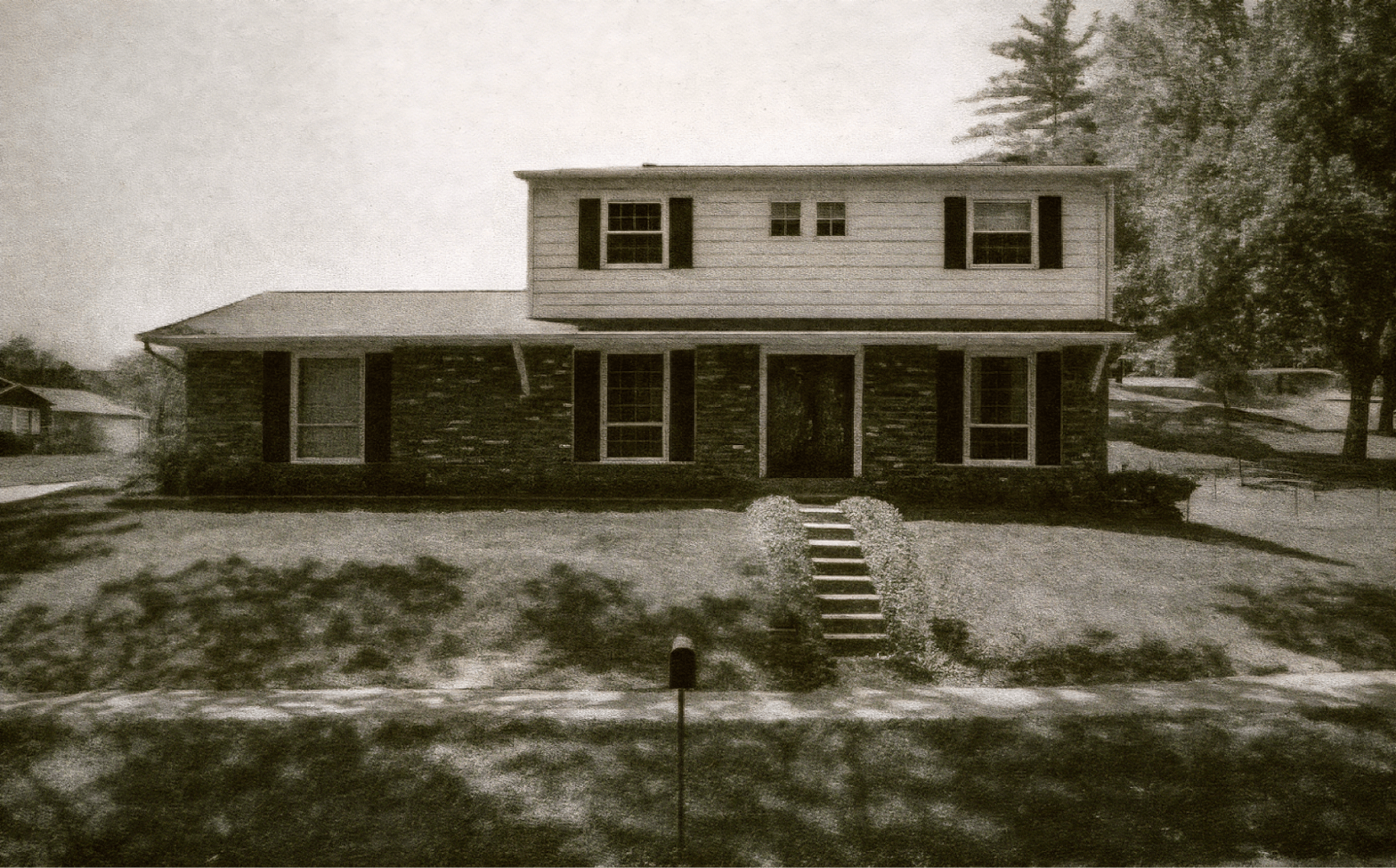
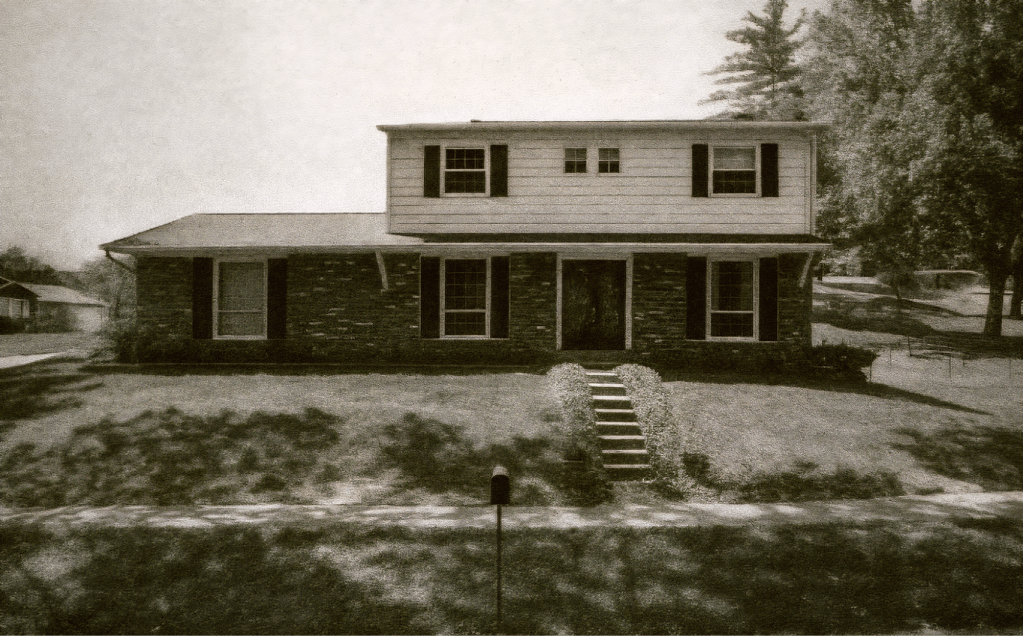
Eventually, they chose a four-bedroom, two-story home called The Villager in a new subdivision called Towne South Estates. Once construction began, we’d drive out each weekend to check on the progress. I vividly remember standing on the exposed subfloor one afternoon—no walls yet, just an enormous wooden platform stretched out like a blank canvas. In my young mind, that big open space held everything the future could be.

It’s funny what sticks with you. At the time, I didn’t think much about the sale of our old home, but now it fascinates me. My parents bought the Jackie Lane house in 1960 for $19,000. When we sold it in 1972, it went for what seemed like an incredible $29,000. According to Zillow, that same house is now worth over $325,000. What a ride.

In August of 1972, we moved into our new home at 5555 Limerick Drive. That address would carry me through the rest of my childhood. A new house, a new neighborhood, a new chapter. Jackie Lane was in the rearview mirror—but the memories would never leave.

Uncle Ollie

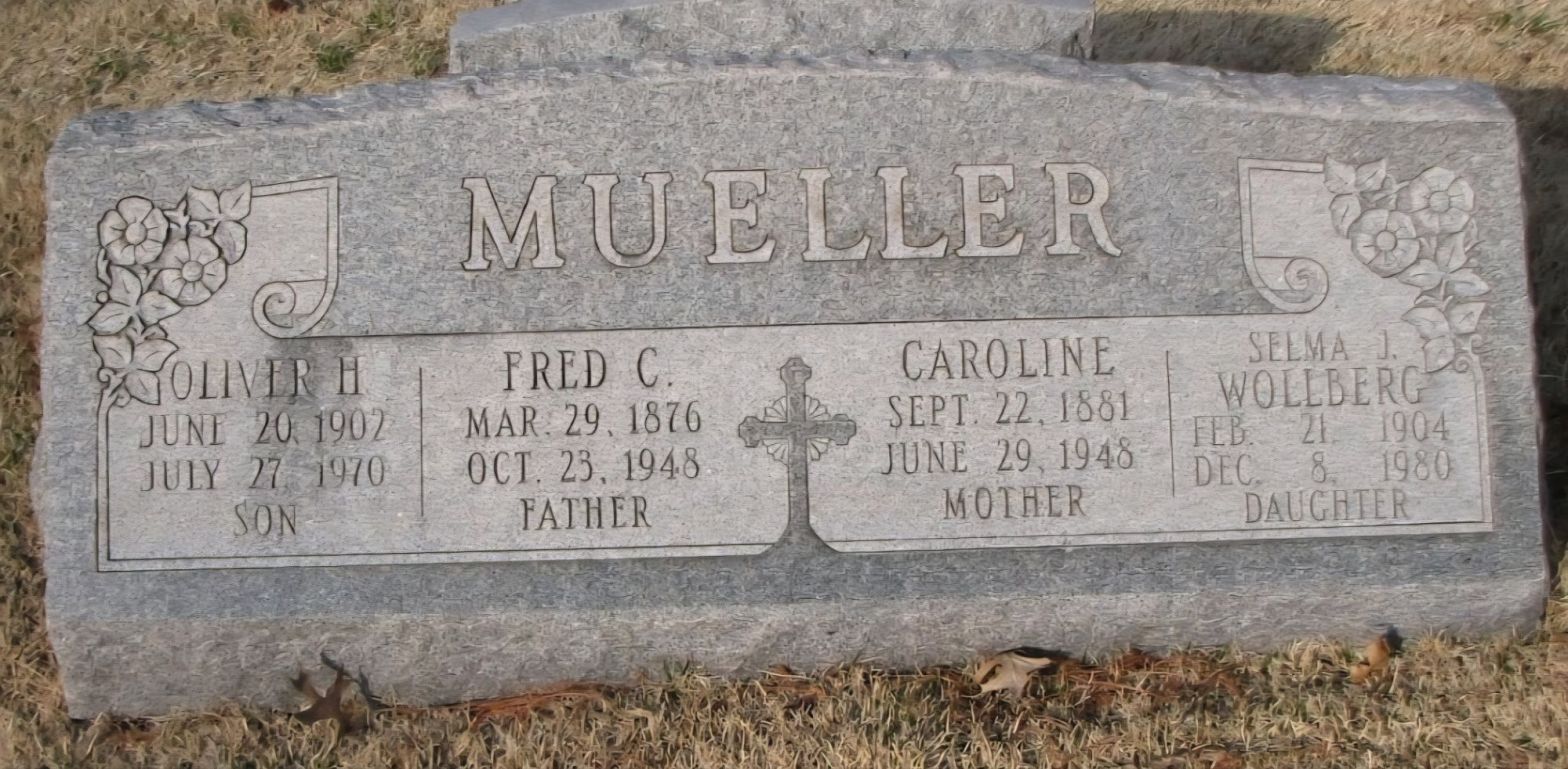
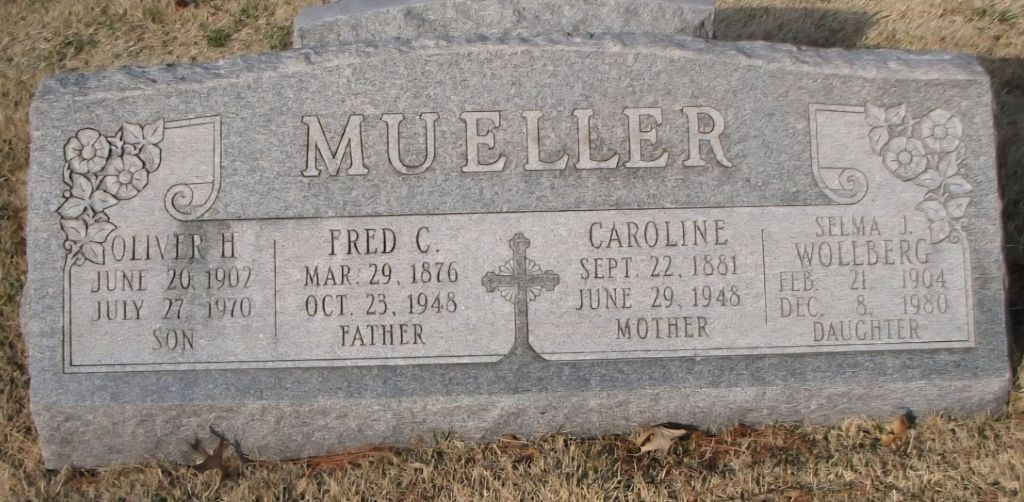
My mom was born on November 12, 1937. Just a year later, in 1938, her parents divorced. Around that same time, my grandmother’s brother—Uncle Ollie—faced a tragedy of his own when his wife, Helen, passed away unexpectedly at the age of 28. They had one son together, Glenn, who had been born in 1930.

Life shifted after that. My grandmother, Uncle Ollie, and their parents—my great-grandparents—ended up living together in one household. Uncle Ollie worked to support the family, while my grandmother managed the home. That house became the foundation where my mom, her sister Elaine, and cousin Glenn were all raised. It wasn’t a traditional setup, but it worked.

Uncle Ollie was quite a character. According to my mom, he had a fiery temper when she was growing up—strict, loud, and commanding. But by the time I came along, that rough edge had softened. I remember his thick head of silver hair, and how he’d let me sit beside him with a brush, patiently letting me comb it. He never rushed me, never complained. To me, he wasn’t just a great-uncle—he was more like a grandfather. He was always there. Every holiday, every birthday. A big man with an even bigger laugh.

But what stands out most in my memory is his love life—or should I say, his double life.

He had two girlfriends: Marie and Grace. Friday nights were for one, Saturdays for the other. Grace knew about Marie, but Marie had no idea about Grace. It was the kind of family secret everyone whispered about but never addressed directly. Marie was closer to his age—warm, grandmotherly, the kind of woman who brought a pie and knew everyone’s birthday. Grace was at least twenty years younger, a blonde with a youthful charm who turned heads when she entered a room.

And somehow, he kept up this arrangement for years. Decades, even. Both women were part of his life, separately but fully. When Uncle Ollie passed away in 1970, both Marie and Grace came to his funeral. They stood just feet apart, each saying their final goodbyes to the same man—neither one knowing the full story.

Uncle Ollie left behind plenty of stories, but that one remains the most unforgettable.

Gary


The church I attended growing up, St. John’s Evangelical United Church of Christ, was the sponsor of a children’s home on St. Charles Rock Road. In the late 1960’s my parents made the admirable decision to sponsor kids from the home. Basically it was kind of part-time foster care. The goal was to have a child or children, those without family, come stay with you for the holidays and over summer break. In 1970 Gary came to stay with us. He was my age. Nine going on ten. I remember going to pick up Gary at the children’s home. We were only inside briefly, but I remember thinking how sad it was. It just felt empty. The beds were in a dormitory style. No child had much of their own space or possessions. It also amazes me how many children were there. Children without families or loved ones to take care of them. It was all just said. Despite living in this environment, I found Gary to be a surprisingly upbeat kid who looked on the brighter side of things. I never knew what happened with his parents, but they were not there for him. Gary was super focused on getting adopted and finding a forever home. Gary came with us for the Christmas holiday. My mom treated him just like my sister and me. He got lots of gifts. More importantly, I feel like my parents and grandmothers showed him the love and affection that were missing in his everyday life. We spent the Christmas holiday playing with new toys and being outside in the snow. We were just being kids. When it came time to take Gary back to the children’s home it was sad. Gary worked the adoption angle hard with my mom. In the end, we left him with the promise of a week-long visit for Easter. Gary came back for Easter and again over the summer. We had fun just playing and enjoying our time. But always hanging over things was Gary looking for his forever home. That was not to be us. That summer was the last time we saw him. I never really knew what happened. That’s all over fifty years ago. I often wonder what happened to Gary. Where is he today? And how did his life turn out.

Looking back now, I realize how deeply that experience shaped my understanding of love, loss, and the importance of family. Gary was just one of thousands of children then—and still today—who grow up in the foster care system, often without the consistent love and security that every child deserves. While the system has evolved in many ways, there are still far too many children waiting for stable homes and caring adults to show up for them. I think about Gary often, and I hope he eventually found the kind of family he longed for. His story reminds me that sometimes the smallest gestures—a holiday visit, a few weeks of normalcy—can leave a lifelong impact.

Edgewater Beach

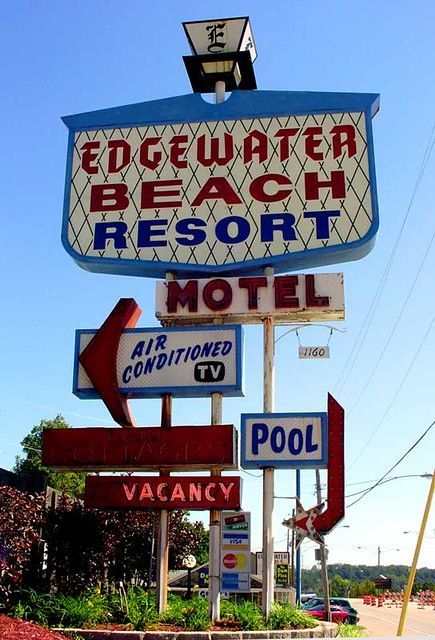
I suppose every family has its favorite vacation spot. For us growing up, it was Bagnell Dam at the Lake of the Ozarks. Year after year, we returned to the same place: Edgewater Beach Resort.

It was probably built in the 1940s—a simple cluster of cabins nestled right along the lakefront. They weren’t fancy by any means, but there was a comfort to them, like slipping into a well-worn blanket. From our cabin windows, you could see the dam off in the distance, always humming in the background like a quiet reminder that we were away from home.

The first thing you’d see as you pulled into Edgewater was the swimming pool. My sister and I spent countless hours there, the smell of chlorine and the sound of splashing water forever tied to our summer memories.

Edgewater Beach sat right on what most would call The Strip—a stretch packed with old-school motels, neon-lit shops, carnival games, and every kind of tourist trap you could imagine. As we got older, my sister and I would walk The Strip on our own, shopping, stopping for ice cream or grabbing a burger, feeling just grown-up enough.

While they were still alive, both of my grandmothers would come with us on these trips. I can still picture the six of us packed into my parents’ Mustang. At the time, it didn’t feel cramped at all—but thinking back now, it must have been!

Grandma Lubker, in particular, always seemed to find a special kind of peace at the lake. If I remember the story right, she, my dad and my grandfather had visited Edgewater together before he died. Maybe that’s why she loved it so much—maybe, in some way, she felt his presence there.

Edgewater Beach is long gone now. On my last visit to the lake, all that remained was the sign—faded and weathered, like a memory holding on. Most of the vacationers have moved farther down Route 54, chasing newer resorts and bigger thrills.

But for me, Edgewater will always be the place where summer lived. Where my family laughed together, where the air smelled like sunscreen and fried food, and where I was a kid who still believed in magic.